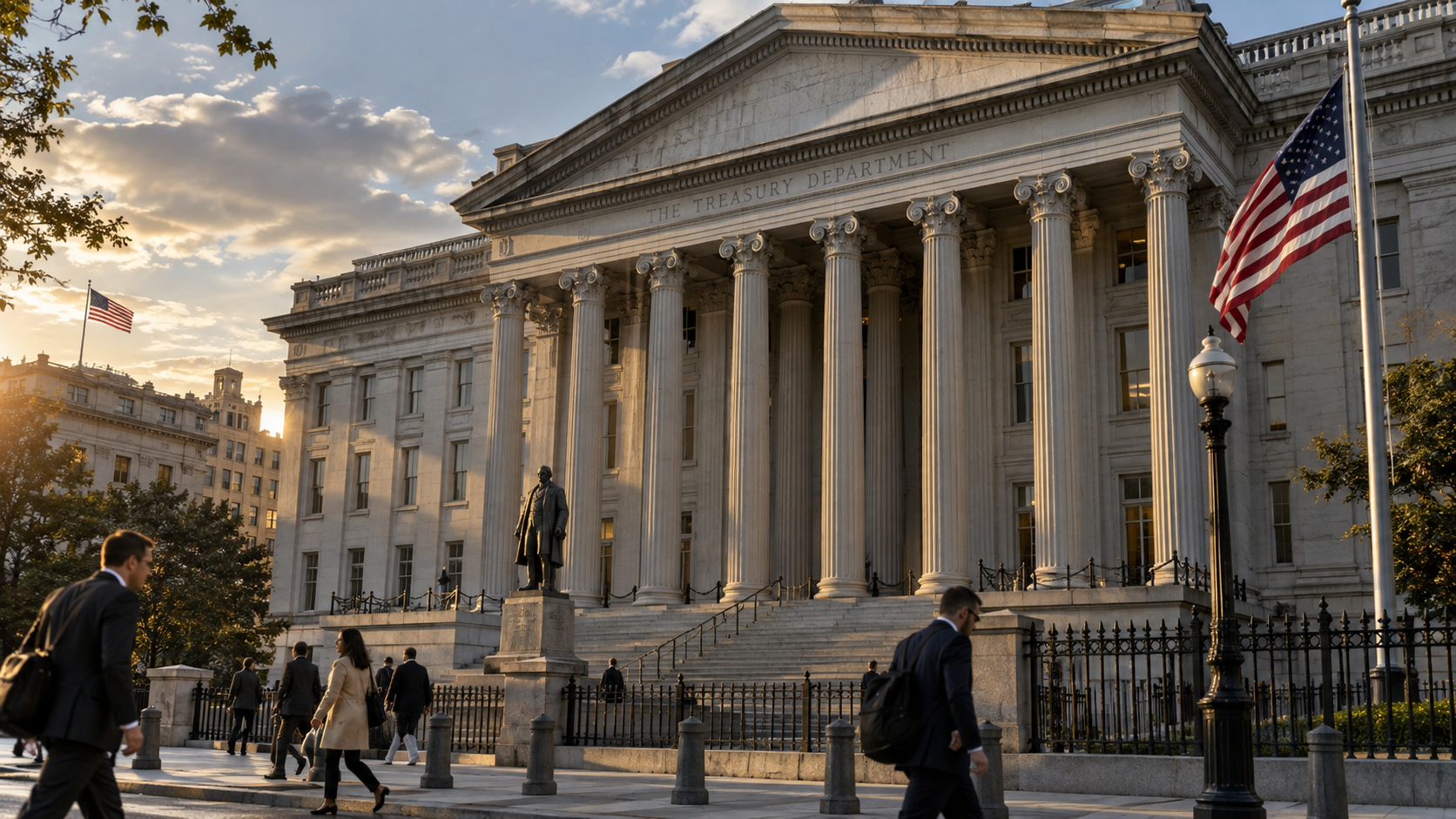
A unanimous quarter-point increase came wrapped in the shortest Fed statement since 2007, and the bond market read the silence as a warning.
The Federal Reserve raised its target federal funds rate by a quarter point on September 16 to a range of 3.75% to 4.00%, its first increase in roughly three years, and did so with a statement so spare it ran about 130 words, the shortest since 2007. The vote was unanimous, 12 to 0. For a central bank that spent the last cycle explaining itself in exhaustive detail, the brevity was itself a signal, one investors are still working through days later.
The statement stuck to fundamentals. It noted the labor market has "changed little" and that inflation "remains elevated," and it stated plainly that "today's policy action will support a timelier return to the Committee's 2 percent goal." No lengthy caveats, no elaborate forward guidance, no attempt to soften the message. Fed Chairman Kevin Warsh described the increase as having "removed a dose of accommodation" and said officials remain serious about reaching the 2% inflation target, with the median policymaker projection pointing to at least one more increase later this year.
Kansas City Fed President Jeff Schmid, who supported the move, offered the clearest window into the committee's thinking, noting that inflation excluding energy has "also been running hot" across "a broad range of goods and services" even as the labor market appears in balance and the economy grows solidly. That combination, firm inflation alongside solid growth, is precisely what tends to produce a Fed that talks less and acts more.
The shift in tone matters because it arrived alongside similar moves from other major central banks. The European Central Bank raised its deposit rate a quarter point to 2.50% on September 10, its second increase this year, with President Christine Lagarde calling the decision a "no brainer" given energy-driven inflation pressure tied to the conflict in the Middle East. Central banks on both sides of the Atlantic are tightening again, and neither is spending much time explaining the decision beyond the numbers.
Bond markets took the cue. The 10-year Treasury yield climbed back above 5% after the decision, a level last exceeded in 2007, as investors priced in a Fed that intends to keep moving with less hand holding along the way. Stocks initially fell Wednesday before rallying Thursday, with the Dow, S&P 500 and Nasdaq all posting gains as investors shifted attention back to artificial intelligence-driven corporate profit growth, leaving the major indexes on pace for a mixed week.
The takeaway for investors is less about one quarter-point move than about the operating style now in place. A Warsh-led Fed that communicates in fewer words and fewer caveats gives markets less room to talk themselves into a dovish read between meetings. With at least one more increase already signaled, the next test will be whether the committee's statements stay this short, and whether yields keep climbing to match.